



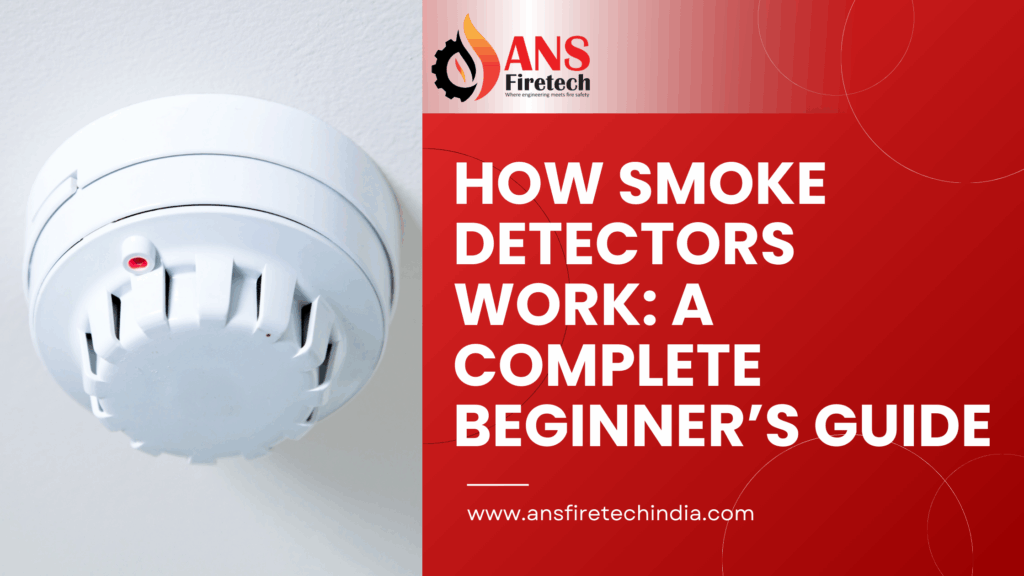
Fire incidents are unforeseen—but prompt detection can determine the difference between a secure evacuation and a perilous scenario. That’s where the role of smoke detectors becomes crucial. These compact yet mighty gadgets have rescued numerous lives by offering early alerts for fires. If you’re unfamiliar with fire safety or intending to set up detectors at your residence or workplace, this introductory guide will clarify the functioning of smoke detectors, their varieties, installation advice, and maintenance procedures
A Quick Look at the History of Smoke Detectors
The first practical smoke alarm was invented in the 1960s, but it wasn’t until the 1970s that they became affordable for homeowners. Today, with advancements in technology, we have wireless smoke detectors, smart alarms, and interconnected fire safety systems that offer better protection than ever before.
Why Are Smoke Detectors Important?
- Life-saving device: Early detection gives you time to escape.
- Property protection: Alerts you before fire spreads and damages valuables.
- Regulatory compliance: In many countries, smoke detectors are legally required in residential and commercial buildings.
- Peace of mind: Knowing your home has fire safety measures reduces stress and worry.
How Smoke Detectors Work
Smoke detectors rely on sensor technology to detect smoke particles.
1. Ionization Smoke Detectors
- Perfect for quickly igniting fires (such as those involving paper or grease).
- Function by ionizing the air within the chamber. Smoke interrupts the electrical current and activates the alarm
2. Photoelectric Smoke Detectors
- Best for smoldering fires (like upholstery or electrical fires).
- Use a light beam that gets scattered when smoke enters the chamber.
3. Dual-Sensor Detectors
- Combine ionization + photoelectric technology.
- Provide all-round protection and are recommended for homes and offices.
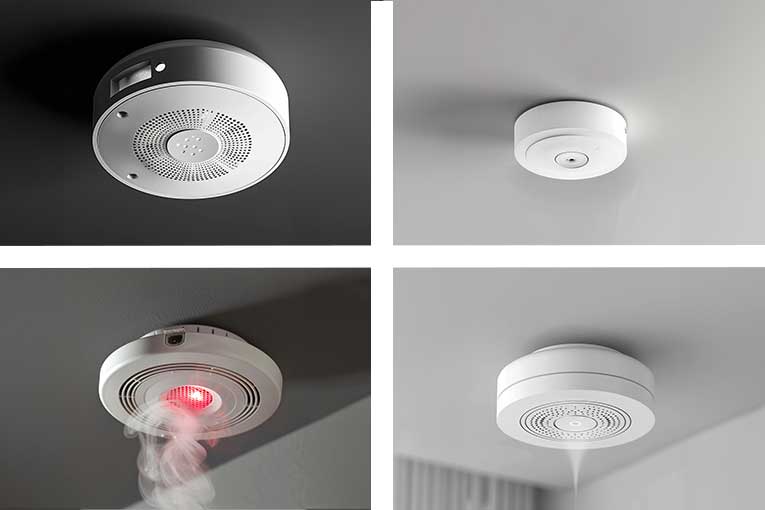
4. Smart Smoke Detectors
- Wi-Fi-enabled and send alerts to your smartphone.
- Can integrate with smart home systems like Alexa or Google Home.
- Some models even provide voice alerts instead of just beeping.
Where Should You Install Smoke Detectors?
- Correct placement is just as important as choosing the right detector.
- Bedrooms – Inside every bedroom and outside sleeping areas.
- Hallways & Living Rooms Common gathering spaces need detectors.
- Kitchens (near, not inside) Place 10 feet away to avoid false alarms.
- Every floor Including basements and attics if they’re used often.
Avoid installing near windows, ceiling fans, or air vents as airflow can interfere with sensors.
Step-by-Step Guide to Installing Smoke Detectors
- Choose the location (ceiling or high on a wall).
- Mark drill points using the mounting bracket.
- Drill holes and insert anchors if needed.
- Mount the base plate securely.
- Attach the smoke detector unit and secure it in place.
- Test the alarm by pressing the test button.
Battery-Operated vs Hardwired Smoke Detectors
| Feature | Battery-Operated | Hardwired (with backup) |
|---|---|---|
| Installation | Easy, DIY | Requires electrician |
| Power Source | Replaceable batteries | Home’s wiring + backup battery |
| Reliability | May fail if battery dies | More reliable |
| Cost | Cheaper | Slightly expensive |
If possible, go for interconnected hardwired smoke detectors. When one alarm goes off, all units in the building will sound simultaneously.
Maintenance Tips for Smoke Detectors
Keeping your detector functional is key to safety. Follow these steps:
- Conduct monthly tests utilizing the test button.
- Change batteries annually (or when beeping begins).
- Use a vacuum brush to clean the unit and eliminate dust.
- Swap out every 8–10 years since sensors degrade in precision over time
Fire Safety Regulations & Standards
Different countries have specific rules:
- The National Fire Protection Association (NFPA) advises that smoke alarms be placed on each level, within bedrooms, and in areas outside of sleeping spaces.
- In various areas, property owners are mandated by law to install functional smoke detectors in their rental units.
- Commercial buildings frequently require fire alarm systems linked to sprinkler and emergency systems
Always check your local fire safety codes before installation.
The Rise of Smart Smoke Detectors
Smart smoke alarms are becoming popular in 2025 because they:
- Send instant alerts to your phone.
- Notify family members even when you’re away.
- Some come with CO (carbon monoxide) detection.
- Reduce false alarms with advanced sensors.
Frequently Asked Questions (FAQs)
Q1. How often should I test my smoke detector?
➡️ At least once a month.
Q2. Can smoke detectors detect fire without smoke?
➡️ No, they rely on smoke particles. Heat detectors are used for fire without smoke.
Q3. Do I need smoke detectors in every room?
➡️ Bedrooms and common areas are essential. Bathrooms and kitchens can cause false alarms if detectors are too close.
Q4. How long do smoke detectors last?
➡️ Typically 8–10 years before needing replacement.
Q5. Are smart smoke detectors worth it?
➡️ Yes, especially for frequent travelers or large households. They provide real-time fire safety alerts.
Final Thoughts
A smoke detector may seem like a small device, but it plays a life-saving role. By understanding how smoke detectors work, choosing the right type, and ensuring proper installation and maintenance, you can protect your family, property, and peace of mind.
In today’s fast-paced world, investing in smart smoke alarms ensures your safety is always in your pocket—literally. Don’t wait for an emergency; install, test, and maintain your smoke detectors today.
Need help installing smoke detectors? Contact our fire safety experts today.