

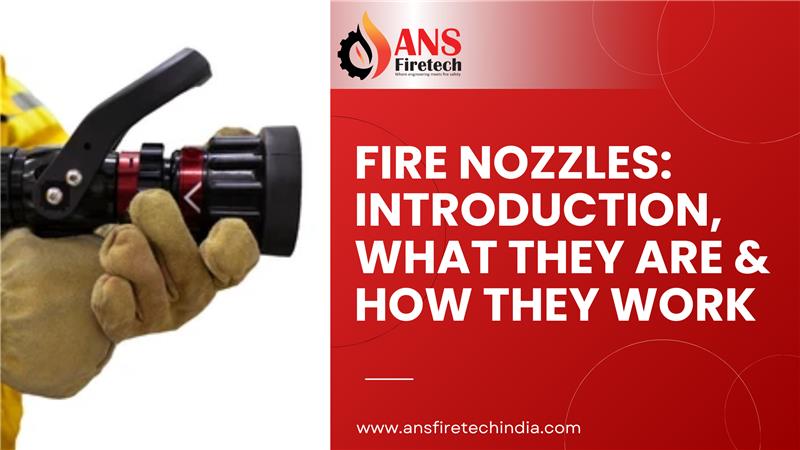
Every item is essential when it comes to firefighting gear, but the fire nozzle is one of the most important. The nozzle, which is mounted at the end of a fire hose, effectively fights flames by directing and controlling the flow of water or foam. Even the strongest fire pump or hose might not work well without the proper fire nozzle.
What Are Fire Nozzles?
A fire nozzle is a specially engineered device designed to control the direction, pressure, and flow rate of water or firefighting foam. By adjusting the nozzle, firefighters can switch between different spray patterns ranging from a fine mist to a solid jet stream—depending on the type and intensity of the fire.
In addition to firefighting, fire nozzles are utilised in high-risk areas such as oil and gas facilities, aviation, marine safety, and industrial fire prevention systems.
How Do Fire Nozzles Work?
The science behind fire nozzles is based on hydraulics and fluid dynamics:
- Water Flow Control – The nozzle regulates the amount of water or foam discharged, ensuring the right pressure is maintained.
- Spray Pattern Adjustment – From a concentrated solid stream (ideal for distance) to a wide fog pattern (for heat protection and smoke control).
- Pressure Conversion – High-pressure water inside the hose is converted into a usable stream to suppress flames effectively.
- Cooling & Smothering – Fog nozzles create tiny water droplets that absorb heat and displace oxygen, slowing the fire’s spread.
Types of Fire Nozzles
Different situations require different nozzle designs, and each has its own unique benefits:
- Smooth Bore Nozzles – Known for their simplicity, they produce a strong, concentrated jet stream that can travel long distances. These are ideal for outdoor firefighting or reaching upper floors of a building.
- Fog Nozzles – Create a fine spray pattern that absorbs heat, reduces smoke, and provides a protective barrier for firefighters. Widely used in interior firefighting where heat and smoke control are critical.
- Combination Nozzles – Offer flexibility by allowing firefighters to switch between solid stream and fog mode depending on the fire situation. They’re highly versatile for both indoor and outdoor operations.
- Automatic Nozzles – Adjust automatically to maintain a consistent flow rate, even when water pressure fluctuates. This ensures steady performance without manual adjustments.
- Foam Nozzles – Specifically designed for fires involving flammable liquids such as oil, fuel, and chemicals. They generate a foam blanket that smothers flames and prevents re-ignition.
Why Fire Nozzles Are Essential in Fire Safety
- Versatility in Firefighting – Suitable for different classes of fires.
- Improved Firefighter Safety – Fog patterns create protective barriers against heat.
- Efficient Water Use – Controls flow to prevent water wastage and property damage.
- Critical for Industrial Applications – Industries like refineries, warehouses, and marine sectors rely on specialized nozzles for fire protection.
Latest Innovations in Fire Nozzles
With the advancement of fire engineering and safety technology, modern fire nozzles now include:
- Lightweight composite materials for easier handling.
- High-efficiency designs for reduced water consumption.
- Smart fire nozzles integrated with IoT sensors for real-time monitoring.
- Ergonomic grips and adjustable settings to reduce firefighter fatigue.
Conclusion
Despite appearing to be a minor part of a firefighting system, fire nozzles have a significant impact. They guarantee that foam or water is supplied precisely where it is needed by regulating the flow, direction, and spray pattern. Fire nozzles continue to be an essential component of contemporary fire safety engineering, safeguarding high-risk industrial settings and saving lives in emergency firefighting situations.
Protect Your People & Property with the Right Fire Safety Equipment!
Looking for high-quality fire nozzles and firefighting solutions?
[Contact Us Today]