


Extinguishers

foam fire extinguisher

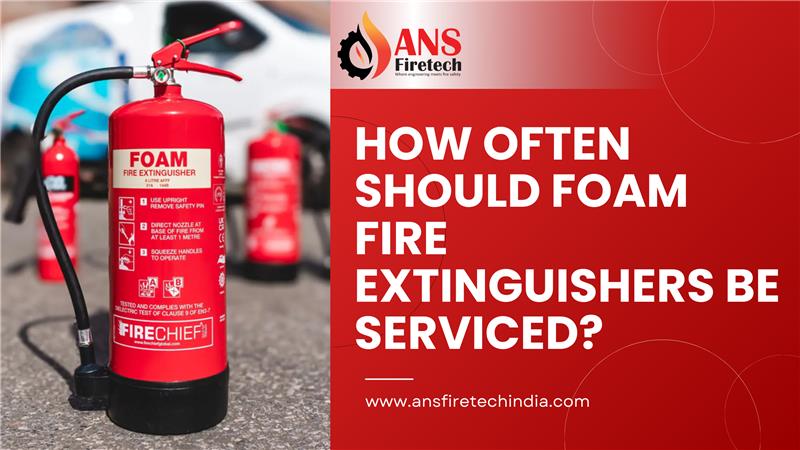
How Often Should Foam Fire Extinguishers Be Serviced?

Foam fire extinguishers are essential fire safety tools used in commercial, industrial, and high-risk settings to put out flammable liquid fires. Installing a foam fire extinguisher alone, however, is insufficient. To guarantee that it functions well in an emergency, routine maintenance and inspection are crucial. This document discusses the necessary inspections, the frequency of servicing […]

How Often Should Foam Fire Extinguishers Be Serviced? Read More »

AFFF vs AR-AFFF Foam Extinguishers: Which Should You Choose?

In sectors including oil and gas, industry, aviation, and chemical storage, foam fire extinguishers are essential for putting out hazardous liquid fires. AFFF (Aqueous Film Forming Foam) and AR-AFFF (Alcohol-Resistant AFFF) are two of the most popular foam agents. Although both are intended to put out Class B fires, their composition, functionality, and application are

AFFF vs AR-AFFF Foam Extinguishers: Which Should You Choose? Read More »

Class C fire extinguisher

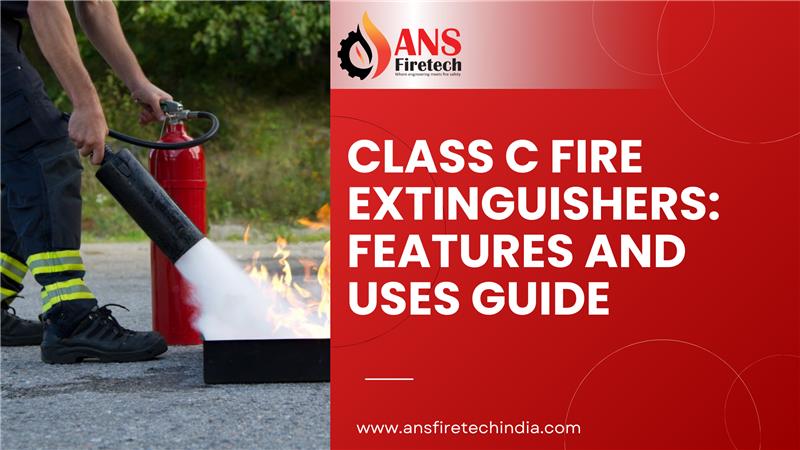
Class C Fire Extinguishers: Features and Uses Guide

With the explosive growth of electronic devices, smart home systems, and powerful appliances in 2025, class C fire extinguishers are crucial for fighting electrical fires. This tutorial covers all you need to know about Class C fire extinguishers, including how they operate, when to use them, and how to maintain them for best protection. This

Class C Fire Extinguishers: Features and Uses Guide Read More »

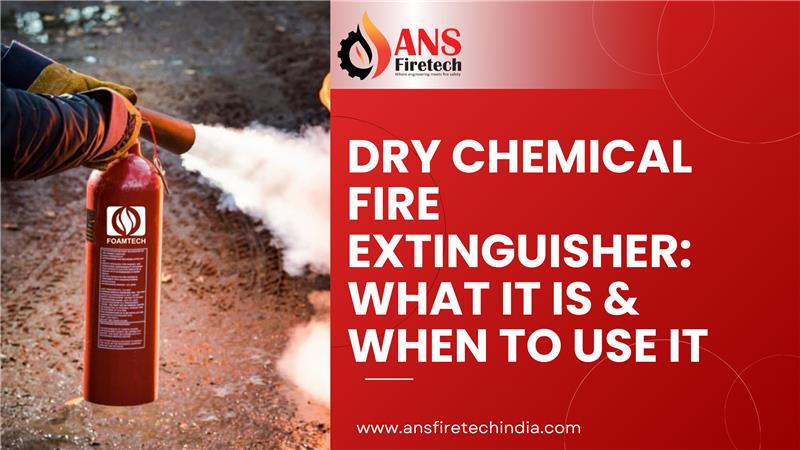
Dry Chemical Fire Extinguisher: What It Is, How It Works, and When to Use It

Reacting quickly during a fire might mean the difference between modest damage and a catastrophic event. The Dry Chemical Fire Extinguisher is one of the most dependable and popular fire suppression tools. It is a multipurpose, potent, and user-friendly tool that can fight several types of fire. This extinguisher is frequently the first line of

Dry Chemical Fire Extinguisher: What It Is, How It Works, and When to Use It Read More »

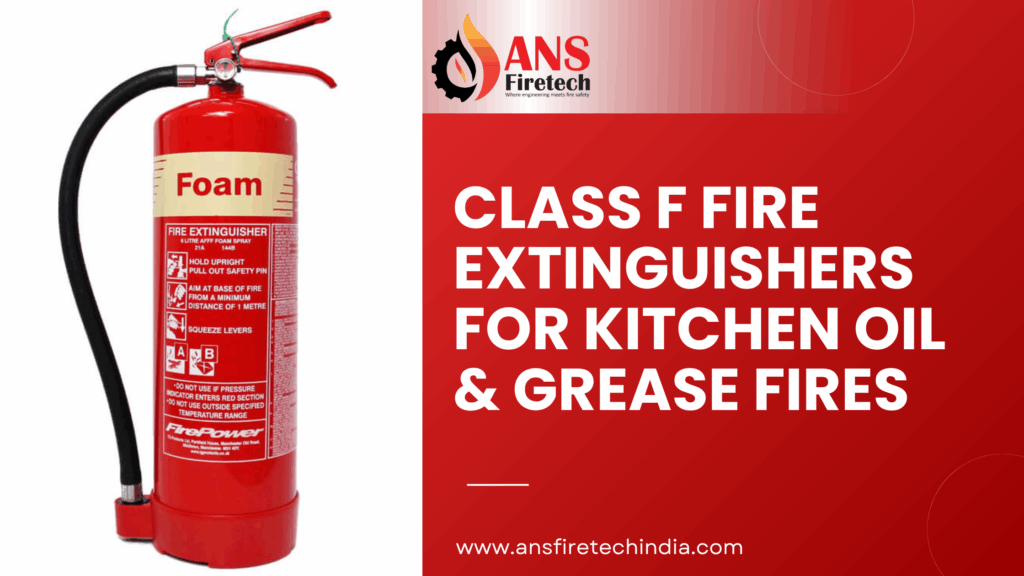
Class F Fire Extinguisher Guide: Stay Safe from Oil & Fat Fires

Kitchen fires are among the most deadly and quickly spreading forms of fires when it comes to fire safety. Oil and grease fires can start in a matter of seconds and can become a serious hazard in any type of kitchen, including commercial restaurants, hotels, cloud kitchens, and even your personal kitchen. The Class F

Class F Fire Extinguisher Guide: Stay Safe from Oil & Fat Fires Read More »

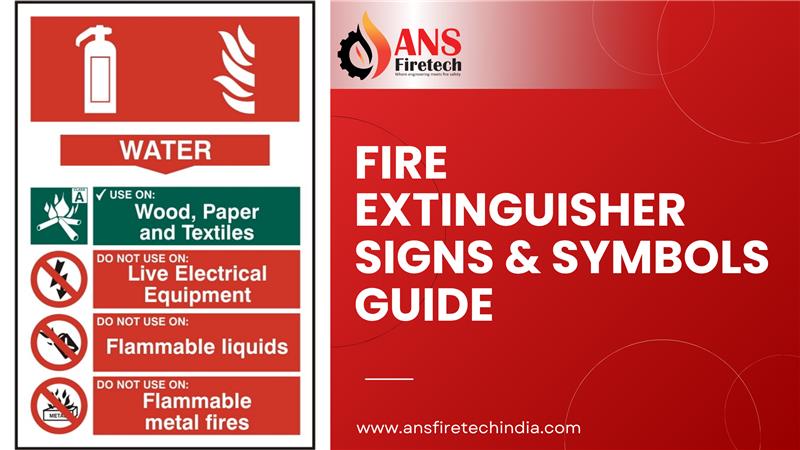
Decoding Fire Extinguisher Labels: Signs, Symbols, and Their Importance

In an emergency, fire extinguishers are vital safety tools that can preserve property and save lives. However, simply possessing an extinguisher is insufficient; it’s also critical to comprehend the labels, signs, and symbols on it. These markings guarantee adherence to safety requirements, specify the sort of fire the extinguisher can put out, and provide instructions

Decoding Fire Extinguisher Labels: Signs, Symbols, and Their Importance Read More »

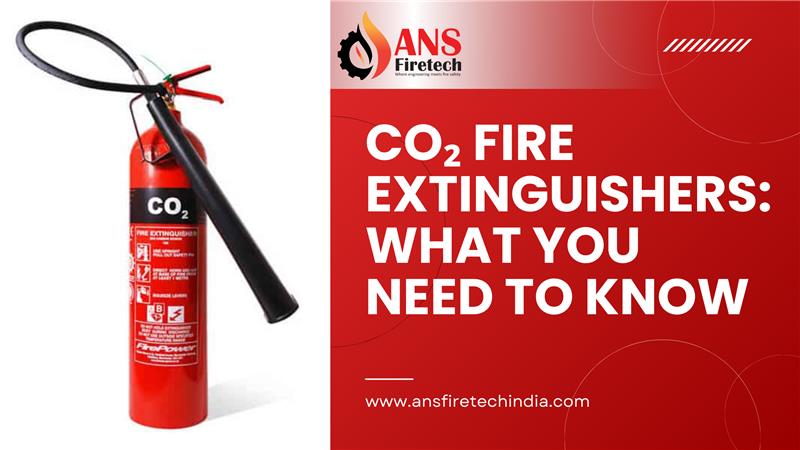
CO₂ Fire Extinguishers: What You Need to Know

In a realm where fire safety is crucial, grasping the significance of CO₂ fire extinguishers can make a significant difference. These tools are crucial for addressing certain fire types, and they also offer distinctive benefits that differentiate them from conventional extinguishers. What precisely makes CO₂ extinguishers a preferred option in different environments, ranging from laboratories to server rooms? We’ll analyze their functioning, applications, advantages, and main drawbacks How CO₂ Fire Extinguishers Work CO₂ (carbon dioxide) extinguishers operate on a simple but effective principle: Because CO₂ is heavier than air, it creates a dense blanket that suffocates the fire. Plus, it’s non-conductive,

CO₂ Fire Extinguishers: What You Need to Know Read More »