


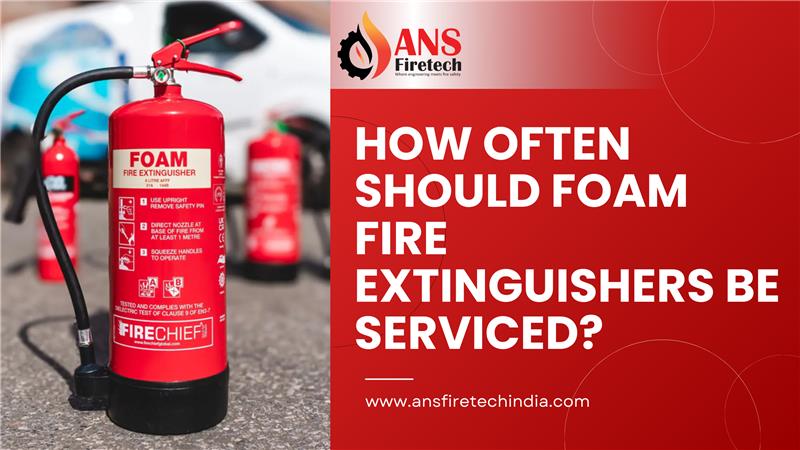
Foam fire extinguishers are essential fire safety tools used in commercial, industrial, and high-risk settings to put out flammable liquid fires. Installing a foam fire extinguisher alone, however, is insufficient. To guarantee that it functions well in an emergency, routine maintenance and inspection are crucial. This document discusses the necessary inspections, the frequency of servicing foam fire extinguishers, and the importance of maintenance in ensuring fire safety compliance in 2025.
Trending keywords like foam fire extinguisher servicing, fire extinguisher maintenance schedules, Class B fire extinguisher inspections, and industrial fire safety equipment are used to optimize this blog.
Why Foam Fire Extinguisher Servicing Is Important
Foam fire extinguishers are designed to suppress Class B fires involving flammable liquids like petrol, diesel, oil, and chemicals. Over time, pressure loss, foam degradation, nozzle blockages, or corrosion can reduce their effectiveness.
Regular servicing ensures:
- Reliable fire suppression performance
- Compliance with fire safety regulations
- Longer equipment lifespan
- Reduced risk during emergencies
- Workplace and industrial fire safety compliance
Proper maintenance is not optional—it is a safety requirement.
How Often Should Foam Fire Extinguishers Be Serviced?
Monthly Visual Inspection
A basic visual inspection should be carried out every month by a trained staff member or safety officer.
Monthly checks include:
- Pressure gauge reading in the green zone
- No visible damage, dents, or corrosion
- Clear and unobstructed discharge nozzle
- Safety pin and tamper seal intact
- Proper placement and accessibility
These inspections help identify early signs of failure.
Annual Professional Servicing
Foam fire extinguishers must be serviced once every year by a certified fire safety technician. Annual servicing is mandatory for commercial and industrial fire safety compliance.
Annual servicing includes:
- Internal and external examination
- Pressure testing
- Checking foam concentrate condition
- Hose and nozzle inspection
- Seal and valve functionality testing
- Certification and service tagging
Annual inspection ensures the extinguisher is fully operational.
Extended Servicing and Foam Replacement
Most foam fire extinguishers require extended servicing every 3 to 5 years, depending on manufacturer guidelines and local fire safety standards.
This includes:
- Complete discharge of the extinguisher
- Replacement of foam concentrate
- Internal cylinder cleaning
- Replacement of worn parts
- Re-pressurization and testing
This process ensures foam quality and discharge efficiency.
Hydrostatic Pressure Testing
Hydrostatic testing is required every 5 years for foam fire extinguishers. This test checks the cylinder’s strength and ability to withstand pressure safely.
Hydrostatic testing involves:
- Filling the cylinder with water
- Pressurizing it beyond normal levels
- Inspecting for leaks or deformation
If the extinguisher fails the test, it must be replaced.
Foam Fire Extinguisher Servicing Schedule (Quick Guide)
- Monthly: Visual inspection
- Annually: Professional servicing
- Every 3–5 years: Foam replacement and extended servicing
- Every 5 years: Hydrostatic pressure testing
Following this fire extinguisher service schedule ensures compliance and safety.
Signs Your Foam Fire Extinguisher Needs Immediate Servicing
Even if the scheduled servicing date has not arrived, some warning signs require immediate action:
- Pressure gauge outside safe range
- Foam leakage or residue
- Cracked or blocked nozzle
- Rust, dents, or corrosion on cylinder
- Missing safety pin or broken seal
- Expired service label
Ignoring these signs can lead to extinguisher failure during a fire emergency.
Fire Safety Standards and Compliance
Foam fire extinguisher servicing must follow recognized fire safety standards and local regulations. In many regions, non-compliance can result in penalties, insurance issues, or legal liability.
Key compliance benefits include:
- Workplace safety assurance
- Insurance policy acceptance
- Audit and inspection readiness
- Reduced fire-related risks
Always use certified fire safety professionals for servicing.
Best Practices for Foam Fire Extinguisher Maintenance
- Maintain clear access to extinguishers
- Train staff on basic inspection checks
- Keep a servicing log and inspection records
- Replace extinguishers after discharge
- Follow manufacturer maintenance guidelines
These best practices help maintain high industrial fire safety standards.
Final Thoughts
Although foam fire extinguishers are essential for preventing flammable liquid fires, their efficacy is dependent on routine and appropriate maintenance. A dependable fire extinguisher maintenance plan must include hydrostatic testing, extended maintenance, yearly professional servicing, and monthly inspections.
Maintaining foam fire extinguisher maintenance offers dependable protection when it counts most, as well as compliance with fire safety laws.
A well-maintained extinguisher can be the difference between a small incident and a major disaster.