

Introduction
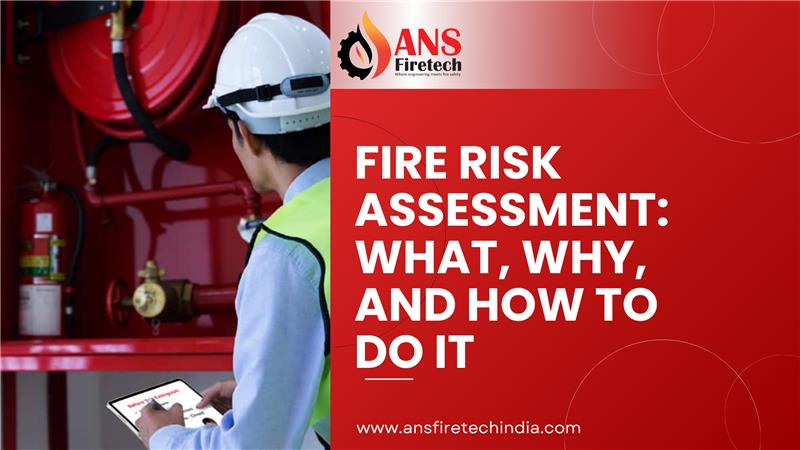
Every building, whether it be residential, commercial, or industrial, has the potential to catch fire. Fire prevention begins with awareness and assessment, even though installing fire safety equipment such as sprinklers, extinguishers, and alarms is essential. A Fire Risk Assessment (FRA) can help with that.
A fire risk assessment is a proactive approach to identifying fire hazards, assessing risks, and putting in place efficient safety measures. It is more than just a compliance obligation. By 2025, every property owner and business operator must perform routine fire risk assessments due to the advancement of fire safety legislation and smart technology..
What Is a Fire Risk Assessment?
An organised procedure called a fire risk assessment looks at a building to find possible fire threats and makes sure that sufficient safety measures are in place to stop and deal with a fire emergency.
Analysing fire risks, determining who is at risk, and assessing how well fire safety features like sprinklers, emergency exits, and fire alarms work are all part of it.
In addition to improving safety, a thorough evaluation guarantees adherence to regional fire safety regulations.
Why Fire Risk Assessment Is Important
Conducting a Fire Risk Assessment isn’t just a regulatory formality — it’s a fundamental step toward saving lives and protecting property. Here’s why it’s so crucial:
1. Prevents Fire Incidents
Early identification of risks—such as faulty wiring, flammable materials, or blocked exits—allows you to take immediate corrective action and prevent a disaster before it starts.
2. Ensures Legal Compliance
Most countries have fire safety laws that require property owners to conduct periodic fire risk assessments. Non-compliance can lead to penalties, insurance issues, or even business closure.
3. Protects Lives and Property
A well-executed assessment ensures that your fire detection systems, sprinklers, and escape routes are functional and effective, safeguarding occupants and minimizing damage.
4. Reduces Financial Losses
Fires cause billions in property damage annually. By identifying potential risks early, you can reduce costly incidents, insurance claims, and business downtime.
5. Improves Emergency Preparedness
Assessments help create or refine fire evacuation plans, ensuring employees and residents know exactly what to do in case of a fire emergency.
Who Should Conduct a Fire Risk Assessment?
A competent fire safety assessor—trained in local fire codes and risk management—should carry out the process. In smaller premises, trained facility managers can perform internal assessments, while large or high-risk buildings should hire certified fire safety professionals.
How to Conduct a Fire Risk Assessment
Performing an effective Fire Risk Assessment involves five essential steps:
Step 1: Identify Fire Hazards
Look for sources of ignition (electrical faults, heating systems, open flames), sources of fuel (paper, wood, flammable liquids), and oxygen sources that could intensify a fire.
Step 2: Identify People at Risk
Determine who might be at risk—employees, visitors, residents, or people with mobility issues. Pay special attention to areas with limited escape routes.
Step 3: Evaluate, Remove, or Reduce Risks
Assess how likely it is for a fire to start and what its potential impact would be. Then, implement control measures like:
- Installing fire alarms and smoke detectors
- Regular electrical maintenance
- Keeping escape routes clear
- Storing flammable materials safely
Step 4: Record Findings and Implement an Action Plan
Document your findings, safety actions, and the responsible persons. A well-maintained fire safety record ensures transparency and regulatory compliance.
Step 5: Review and Update Regularly
Fire risks evolve as building layouts, equipment, or operations change. Conduct reviews at least once a year or after any significant modification in your premises.
Common Mistakes in Fire Risk Assessment
Avoid these frequent errors that can compromise your fire safety plan:
- Ignoring small hazards like overloaded sockets or untested alarms.
- Failing to update assessments after renovations.
- Not providing staff fire safety training.
- Skipping maintenance checks for fire extinguishers and hydrant systems.
- Incomplete documentation of identified risks.
Smart Fire Risk Assessments in 2025
Modern fire risk assessments now incorporate real-time analytics, IoT sensors, and AI-based monitoring due to the proliferation of smart fire safety devices. These devices can track the condition of equipment, identify unusual heat patterns, and promptly notify teams of possible dangers.
Because they improve accuracy and efficiency through automated reporting, cloud-based data storage, and quicker compliance checks, digital fire risk assessments are likewise becoming more and more common.
Benefits of a Regular Fire Risk Assessment
- Enhanced fire safety awareness among staff and residents
- Compliance with NFPA, IS, and BIS fire standards
- Lower insurance premiums due to reduced risk
- Improved emergency response time
- Peace of mind knowing your premises are safe and compliant
Conclusion
A Fire Risk Assessment isn’t just about fulfilling legal requirements—it’s about creating a safer, smarter environment. By identifying hazards, evaluating risks, and enforcing preventive actions, you can protect your building, assets, and most importantly, lives.
In 2025, as fire safety technology continues to advance, businesses and property owners must prioritize regular assessments to stay ahead of potential threats and maintain compliance with modern fire safety regulations.
Schedule a professional Fire Risk Assessment today and ensure your building meets every fire safety standard.
👉 Contact us now to book your inspection and protect what matters most!