


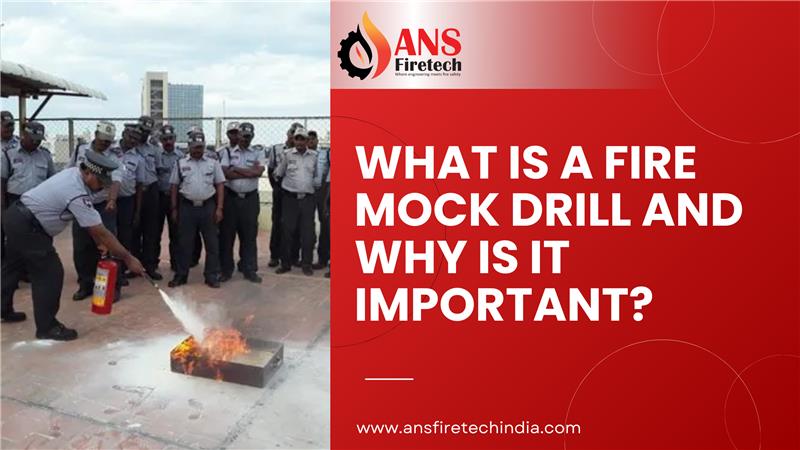
A scheduled, supervised emergency practice used to get people ready for a real fire emergency is called a fire mock drill. It helps residents learn how to react swiftly, escape safely, and make efficient use of fire protection equipment by simulating fire situations. For public buildings, businesses, and workplaces, fire mock exercises are an essential component of emergency preparedness, fire safety management, and regulatory compliance.
With increasing fire incidents in commercial and industrial spaces, conducting regular fire mock drills is no longer optional—it is essential for saving lives and minimizing property damage.
What Is a Fire Mock Drill?
A fire mock drill (also known as a fire evacuation drill or fire safety mock drill) is a simulated fire emergency conducted under controlled conditions. During the drill, occupants practice evacuation procedures, emergency response actions, and coordination with fire safety teams.
The primary objectives of a fire mock drill include:
- Testing the effectiveness of fire emergency procedures
- Training occupants on safe evacuation routes
- Familiarizing employees with fire safety equipment
- Identifying gaps in emergency response plans
Fire mock drills are commonly conducted in offices, factories, hospitals, schools, malls, hotels, and residential complexes.
Why Is a Fire Mock Drill Important?
1. Improves Emergency Preparedness
Fire drills assist residents in maintaining composure and reacting appropriately in the event of a real fire. Frequent exercises boost self-assurance and guarantee that everyone is aware of what to do, where to go, and how to safely evacuate.
2. Saves Lives During Fire Emergencies
One of the main causes of injury during flames is panic and disorientation. Particularly in high-occupancy buildings, a well-practiced fire evacuation rehearsal lowers anxiety and facilitates a quicker, safer evacuation.
3. Ensures Fire Safety Compliance
According to NFPA fire drill requirements, local fire department policies, and fire safety standards, fire simulated drills are frequently required. Organisations can pass safety audits and adhere to fire safety rules by conducting regular drills.
4. Tests Fire Safety Systems and Equipment
A fire mock drill allows organizations to check the working condition of:
- Fire alarm systems
- Fire hydrant systems
- Fire extinguishers
- Emergency lighting and exit signage
Identifying faults during a drill prevents system failure during a real emergency.
5. Defines Roles and Responsibilities
During a fire mock drill, employees learn their specific roles such as:
- Fire wardens
- Floor marshals
- First aid responders
- Evacuation coordinators
Clear role allocation improves coordination and emergency response efficiency.
6. Identifies Weaknesses in Evacuation Plans
Mock drills help uncover common issues like blocked exits, poor signage, slow evacuation time, or lack of awareness among occupants. These insights help improve fire drill procedures and emergency plans.
Fire Mock Drill Procedure: Step-by-Step
A standard fire mock drill procedure includes the following steps:
- Planning and Risk Assessment – Identify fire risks and define drill objectives
- Notification – Inform occupants (or conduct surprise drills where appropriate)
- Activation of Fire Alarm – Simulate a fire emergency
- Evacuation – Occupants follow evacuation routes to assembly points
- Use of Fire Safety Equipment – Demonstrate fire extinguisher usage
- Head Count and Reporting – Ensure all occupants are safely evacuated
- Post-Drill Review – Evaluate performance and document findings
How Often Should a Fire Mock Drill Be Conducted?
The fire mock drill frequency depends on building type and risk level:
- Offices & commercial buildings: Every 6 months
- Industrial plants & factories: Every 3–6 months
- Hospitals, schools & high-risk facilities: Quarterly
Regular drills ensure continuous preparedness and compliance with safety standards.
Fire Mock Drill Checklist
A basic fire mock drill checklist includes:
- Fire alarm system operational
- Evacuation routes are clearly marked
- Assembly points identified
- Fire extinguishers accessible
- Emergency response team trained
- Drill performance recorded
Importance of Fire Mock Drills in the Workplace
In workplaces, fire mock drills:
- Protect employees and visitors
- Reduce business disruption during emergencies
- Enhance organizational safety culture
- Demonstrate management’s commitment to employee safety
Conclusion
An essential tool for disaster preparedness, fire safety awareness, and regulatory compliance is a fire mock drill. It lowers anxiety, helps organisations find and close safety gaps, and equips individuals to act swiftly and safely during fire situations.
Organisations may drastically lower fire-related hazards and guarantee a safer workplace for everyone by regularly holding fire drills, training staff, and evaluating performance.
For better fire safety preparedness, combine regular fire mock drills with professional fire safety training, system maintenance, and continuous safety awareness programs.